







US Federal Reserve May Raise Interest Rates Again: What It Means for Indian Markets, Gold and the Rupee
The US Federal Reserve is facing renewed pressure to increase interest rates as inflation remains persistent. The possibility of further rate hikes could affect global stock markets, gold prices,...

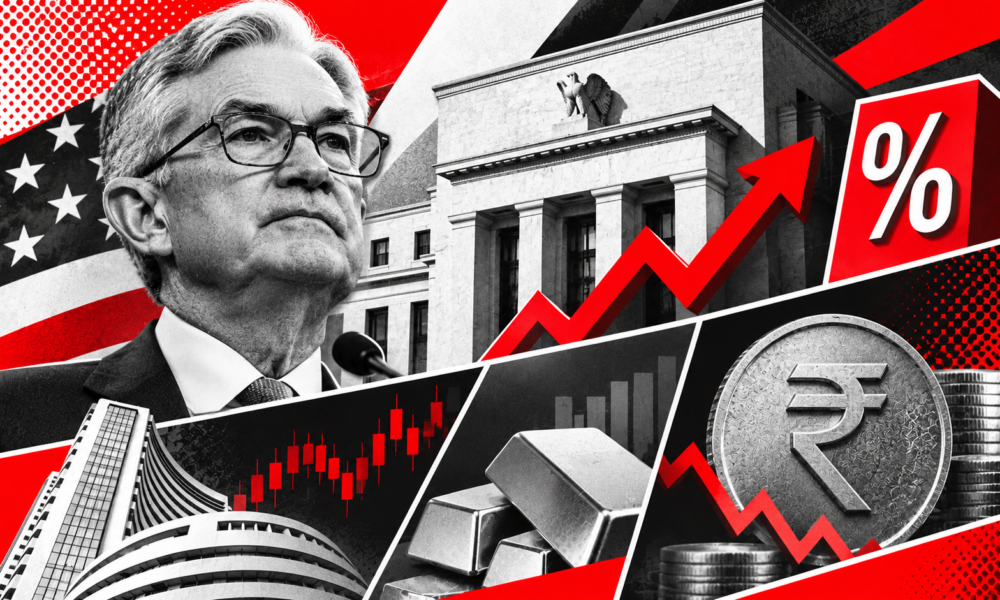
The US Federal Reserve is facing renewed pressure to increase interest rates as inflation remains persistent. The possibility of further rate hikes could affect global stock markets, gold prices, foreign investment and the Indian rupee.
The US Federal Reserve is once again in focus as policymakers signal that more action may be needed to control inflation. Recent comments from senior officials have raised expectations of another interest rate increase, creating uncertainty across global financial markets.
On October 28, 2026, the Federal Open Market Committee (FOMC) maintained the federal funds rate at 3.75% to 4%. However, the central bank said inflation remained elevated and that it needed more information before deciding its next policy move.
The situation has become more important following recent comments from Federal Reserve officials on November 13, who warned that inflationary pressures remain persistent.
Why Is the Federal Reserve Considering More Rate Hikes?
The Federal Reserve uses interest rates to manage inflation and support employment in the US economy.
When inflation remains high, the central bank can increase borrowing costs to reduce spending and slow demand. This can help control price increases over time.
According to Reuters, New York Federal Reserve President John Williams said the central bank still had work to do to bring inflation back to its 2% target.
San Francisco Federal Reserve President Mary Daly also indicated that further rate increases could be necessary because of persistent services inflation.
These comments have strengthened expectations of another rate increase, although the timing and size of any decision remain uncertain.
How Could Higher US Interest Rates Affect Indian Stock Markets?
Higher interest rates in the United States can influence investment flows across international markets.
When US interest rates rise, American government bonds and other dollar-based investments can become more attractive to global investors.
This may encourage foreign investors to move money away from emerging markets such as India.
If foreign portfolio investors sell Indian shares, the Sensex and Nifty could face additional pressure.
However, Indian market performance also depends on domestic corporate earnings, economic growth, inflation and investment demand.
What Could Happen to the Indian Rupee?
A stronger US dollar can put pressure on the Indian rupee.
If investors move money towards dollar-based assets, demand for the US currency may increase. This can make the rupee weaker against the dollar.
A weaker rupee can increase India’s import costs, particularly for crude oil, electronics and other products purchased from overseas.
Higher import costs may also add to domestic inflation and create challenges for businesses.
Will Gold Prices Fall if the Fed Raises Rates?
Gold prices can also react to changes in US interest rates.
Gold does not provide regular interest income. Therefore, higher interest rates can make interest-bearing investments more attractive compared with the precious metal.
A stronger dollar can also make gold more expensive for international buyers using other currencies.
However, gold prices do not always fall when interest rates increase. Geopolitical tensions, inflation concerns and demand for safe-haven assets can support prices.
What Should Indian Investors Watch Next?
Investors will closely monitor the Federal Reserve’s meeting minutes, scheduled for November 18, 2026, for further clues about its policy outlook.
The next FOMC meeting is scheduled for December 8–9.
Developments in US inflation, employment data, the dollar and foreign investment flows will also influence Indian financial markets.
The Bottom Line
The Federal Reserve’s next interest rate decision could have consequences far beyond the United States. Indian investors should watch currency movements, foreign investment, gold prices and domestic interest rate expectations.
For now, uncertainty remains high, and investors should avoid making decisions based only on expectations of a single rate hike.





No Comment! Be the first one.