






India Approves ₹68,800 Crore Power Transmission Corridor: A Major Boost for Renewable Energy Infrastructure
India has approved plans for a major power transmission corridor estimated to cost approximately ₹68,800 crore. The project aims to connect renewable energy generation centres in western India with...

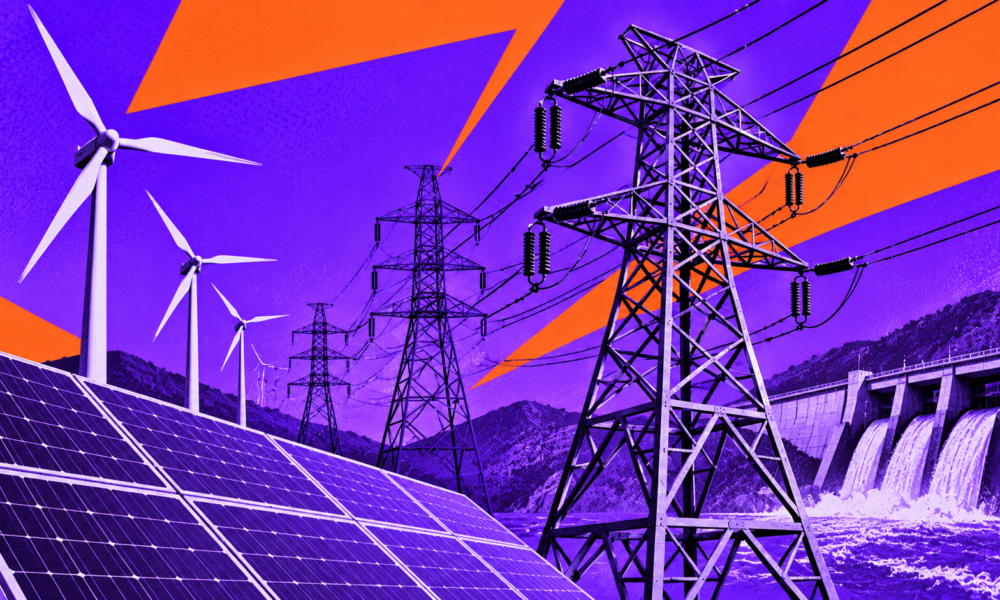
India has approved plans for a major power transmission corridor estimated to cost approximately ₹68,800 crore. The project aims to connect renewable energy generation centres in western India with industrial and urban demand centres in the east.
The development comes as India increases investment in renewable energy and prepares its electricity network to support growing power consumption.
According to a Reuters report published on 11 November 2026, the proposed transmission system will use 1,150-kilovolt technology, making it India’s highest-voltage power network if implemented as planned.
The project is expected to take approximately six years to complete.
What is the proposed power corridor?
The planned transmission corridor will transport electricity from renewable energy-rich regions in western India to areas with growing industrial demand in the east.
The first phase is expected to connect Chhattisgarh, Odisha and West Bengal.
It will also link with a 6,000-megawatt high-voltage transmission system carrying renewable electricity from Rajasthan’s Bhadla solar region.
The project is designed to support the movement of larger volumes of electricity across long distances.
This is particularly important because renewable energy generation and electricity consumption do not always take place in the same locations.
For example, Rajasthan has significant solar energy potential, while eastern states have large industrial and urban electricity requirements.
Why is 1,150-kV technology important?
India currently uses transmission networks operating at different voltage levels, including 765 kV.
The proposed 1,150-kV system is expected to carry substantially more electricity than existing high-voltage lines.
According to the Reuters report, the technology could transport the same amount of electricity using fewer transmission lines and less land.
It could also help reduce transmission losses.
This would be important as India expands solar and wind power capacity and needs to move electricity between states more efficiently.
However, the project will require extensive technical planning, engineering and investment before the system becomes operational.
Supporting India’s renewable energy ambitions
India has set a target of achieving 500 GW of non-fossil electricity generation capacity by 2030.
Renewable energy projects are being developed across several states, particularly in regions with strong solar and wind potential.
However, generating electricity is only one part of the energy transition.
The country also needs a reliable transmission network to deliver electricity to homes, factories, commercial buildings and industrial centres.
Without sufficient transmission capacity, renewable energy projects may struggle to deliver their full potential.
The proposed corridor could help address this challenge by improving electricity movement between regions.
Opportunities for the construction and engineering sectors
The project could create opportunities for companies working in power infrastructure and heavy engineering.
Transmission towers, substations, high-voltage equipment, conductors, insulation systems and electrical components will be important parts of the development.
Engineering and construction companies may also participate in surveying, civil works, equipment installation and network integration.
The project could increase demand for specialised technical expertise in high-voltage electricity transmission.
For India’s infrastructure industry, this represents another area where large-scale investment could support industrial development.
Challenges ahead
Large transmission projects require careful coordination between states, land authorities, power companies and engineering contractors.
Land availability, environmental clearances, equipment manufacturing and project execution will influence the implementation timeline.
The system will also need strong operational planning to manage electricity flows and maintain grid stability.
Financing and timely construction will be equally important because the estimated project cost is substantial.
What does this mean for India?
India’s renewable energy transition will depend on both electricity generation and transmission infrastructure.
The proposed ₹68,800 crore corridor highlights the importance of building a stronger national electricity network.
For construction companies, engineering firms and energy investors, it could create opportunities across several parts of the infrastructure value chain.
As electricity demand grows, India’s ability to move clean power efficiently may become just as important as its ability to generate it.







No Comment! Be the first one.