







Gold and Silver Prices Fall in India: Why a Strong US Dollar Is Pressuring Bullion
Gold and silver prices came under pressure in Indian and international markets on November 19, 2026. The decline was linked to a stronger US dollar and rising expectations that the Federal Reserve...

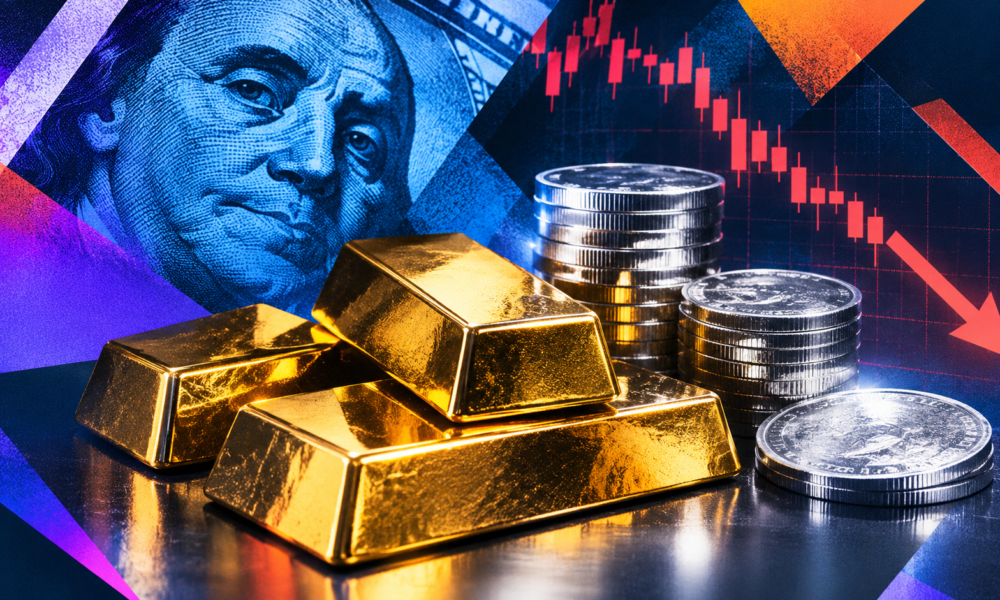
Gold and silver prices came under pressure in Indian and international markets on November 19, 2026. The decline was linked to a stronger US dollar and rising expectations that the Federal Reserve could increase interest rates.
The movement attracted attention from investors and households that follow precious metals for investment and jewellery purchases.
According to market reports, gold and silver futures on the Multi Commodity Exchange (MCX) remained under pressure during Thursday’s trading session.
Why Are Gold and Silver Prices Falling?
One major reason behind the decline is the strength of the US dollar.
Gold and silver are internationally traded commodities, and their prices are closely linked to movements in the dollar.
When the US dollar becomes stronger, gold and silver can become more expensive for buyers using other currencies. This may reduce international demand.
Another important factor is the outlook for US interest rates.
Recent Federal Reserve commentary and meeting minutes increased expectations of further interest-rate increases. Higher interest rates can make interest-bearing investments more attractive compared with gold and silver, which do not generate regular interest income.
As a result, some investors may reduce their exposure to precious metals.
What Happened to Gold Prices?
On November 19, international gold prices remained close to their lowest levels since September 2025.
Business Standard reported that MCX gold futures were trading near ₹1,28,900 per 10 grams during Thursday’s morning session.
The price movement reflected pressure from the stronger dollar and expectations of tighter US monetary policy.
However, gold prices can change throughout the trading day. Domestic prices are also influenced by currency movements, import costs, taxes and local demand.
Silver Prices Also Face Pressure
Silver prices declined alongside gold.
MCX silver futures were trading near ₹1,59,750 per kilogram in Thursday’s morning market update reported by Business Standard.
Unlike gold, silver has significant industrial uses. It is used in electronics, solar panels and several manufacturing applications.
Therefore, silver prices can respond to both investment demand and expectations about industrial activity.
Changes in economic growth, manufacturing demand and global commodity markets can influence its performance.
What Does This Mean for Indian Investors?
The recent decline highlights the importance of understanding the factors that influence precious metal prices.
Investors following gold should monitor the US dollar, Federal Reserve policy, global interest rates, central bank purchases and gold ETF flows.
For silver, industrial demand and manufacturing trends are also important.
Indian buyers should remember that international commodity prices do not directly equal the final retail price of jewellery or bullion. Local taxes, import costs, dealer margins and making charges can affect the amount paid.
Should Buyers Be Concerned?
A short-term fall in gold and silver prices does not automatically indicate a long-term decline.
Both metals can experience sharp price movements depending on economic conditions, currency changes and investor demand.
People buying jewellery should compare local prices and understand additional charges. Investors should consider their financial goals, risk tolerance and overall portfolio before investing in precious metals.
The Road Ahead
Gold and silver markets are likely to remain sensitive to US monetary policy, currency movements and global economic developments.
The November 19 decline shows how decisions and expectations in international markets can influence commodity prices in India.
For investors and consumers, following the reasons behind price movements is more useful than reacting to every daily change.
Disclaimer: This article is for informational purposes only and does not constitute investment advice or a recommendation to trade commodities.



No Comment! Be the first one.