








Gold Rate Today: Why Gold and Silver Prices Are Volatile in India
Gold and silver prices remained in focus on November 2 as investors assessed global interest-rate expectations, crude oil movements and recent bullion-market volatility. Gold prices are attracting...

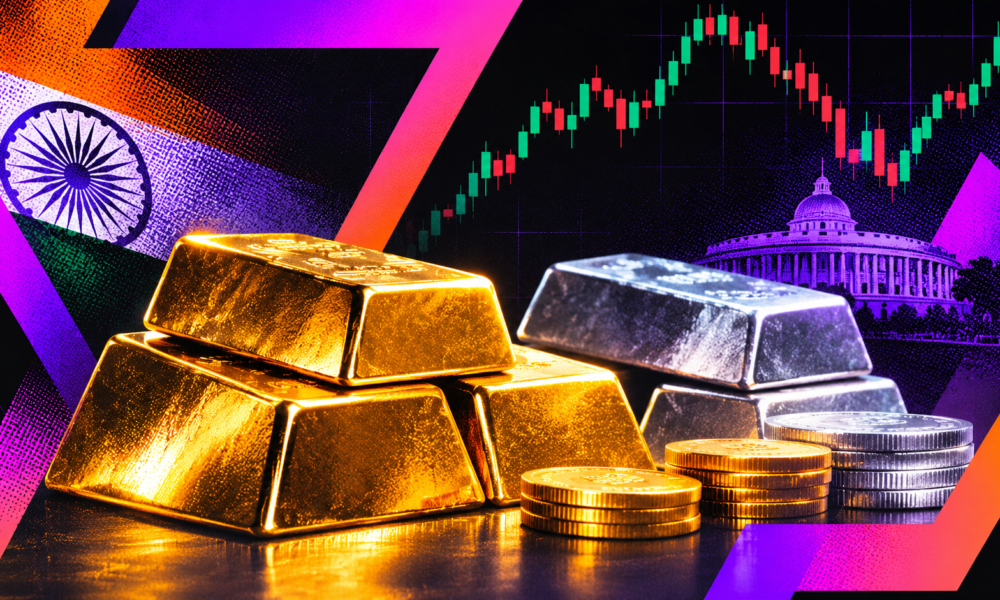
Gold and silver prices remained in focus on November 2 as investors assessed global interest-rate expectations, crude oil movements and recent bullion-market volatility.
Gold prices are attracting significant attention in India, with consumers and investors tracking retail rates as well as movements in the Multi Commodity Exchange (MCX).
On November 2, domestic futures prices edged higher in morning trade after a sharp decline in international bullion markets late last week. The movement highlights how quickly precious-metal prices can respond to global economic developments.
For Indian buyers, the final jewellery price also depends on purity, local taxes, making charges and the jeweller’s pricing policy.
Gold and silver prices on November 2
According to market data reported by Mint on November 2, MCX gold futures were trading around ₹1,39,400 per 10 grams, while MCX silver futures were around ₹1,82,250 per kilogram at approximately 9:13 am.
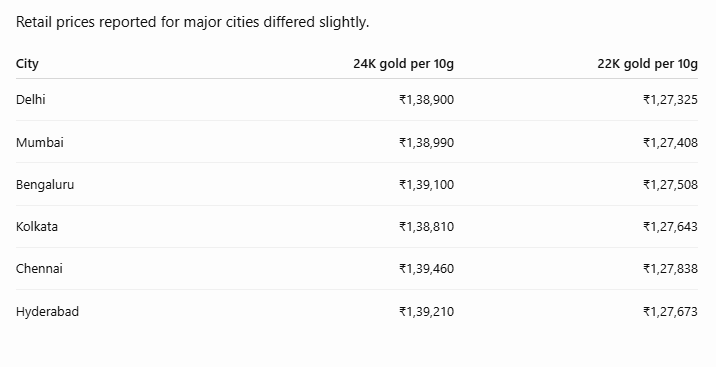
These are reported retail reference rates for November 2, not guaranteed final purchase prices. Rates can change during the day and may vary by jeweller.
Why did gold prices become volatile?
International bullion prices came under pressure late last week as higher energy prices and persistent inflation concerns strengthened expectations that US interest rates could remain elevated.
Gold does not pay interest. When investors expect interest rates to remain high, interest-bearing assets can become relatively more attractive, putting pressure on demand for gold.
However, prices rebounded on Monday as crude oil prices eased and investors reassessed inflation and interest-rate expectations.
Reuters reported that spot gold rose 0.7% to around $3,900.90 an ounce on November 2 after a sharp fall on Friday. Silver also recovered during the session.
What influences gold prices in India?
Several factors influence the domestic gold market.
International prices: Gold is traded globally, so changes in international prices influence Indian rates.
Rupee-dollar exchange rate: A weaker rupee can make imported gold more expensive in domestic currency, even when international prices are stable.
Import duties and taxes: Policy changes and taxes can affect the landed cost of gold.
Interest rates and inflation: Expectations about monetary policy and inflation influence investor demand.
Jewellery demand: Seasonal buying, weddings and festivals can affect retail demand, although this is only one part of the price equation.
22K versus 24K gold: What should buyers know?
24-karat gold is close to pure gold and is commonly used for investment products such as bars and coins.
22-karat gold contains a higher proportion of alloy metals, making it more suitable for many jewellery designs that require greater durability.
Consumers should check the hallmark, purity details, weight, making charges and final invoice before purchasing. A quoted per-gram rate does not necessarily represent the amount a buyer will pay at the counter.
Is this a good time to buy gold?
A short-term price movement does not establish whether gold is cheap or expensive for an individual buyer.
People purchasing jewellery should compare the total invoice, including making charges and applicable taxes. Investors should consider their financial goals, risk tolerance, time horizon and portfolio allocation rather than relying on a single day’s price.
Gold and silver remain volatile assets. Their prices can rise or fall in response to global monetary policy, currency movements, geopolitical developments and investor positioning.
This article is for information only and is not investment advice.




No Comment! Be the first one.