







Gold and Silver Prices Face Fresh Volatility: What Is Driving the Precious Metals Market?
Gold and silver prices are experiencing renewed volatility as investors reassess the outlook for global interest rates, inflation and economic growth. After a sharp sell-off in recent sessions, both...

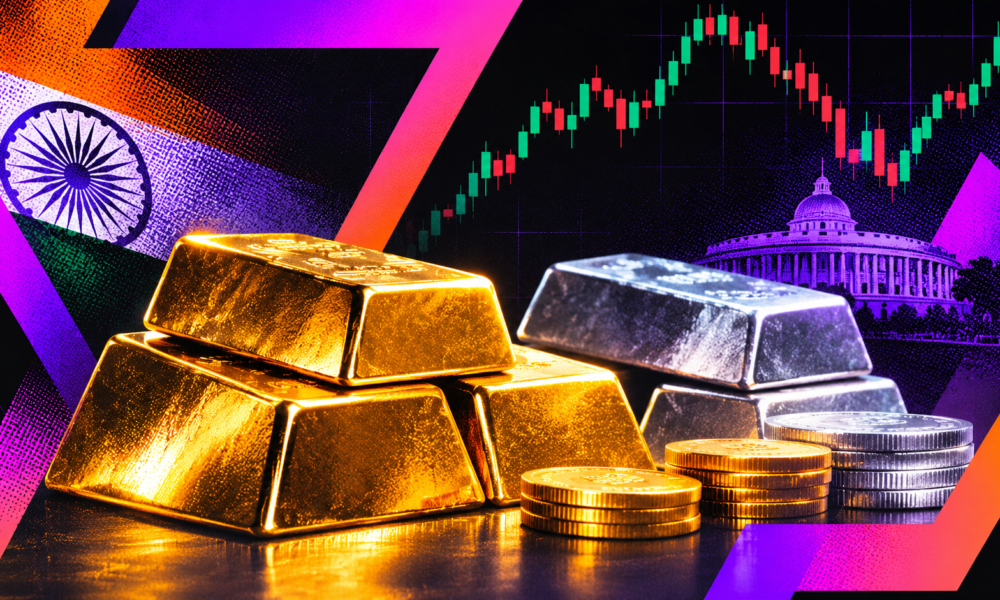
Gold and silver prices are experiencing renewed volatility as investors reassess the outlook for global interest rates, inflation and economic growth.
After a sharp sell-off in recent sessions, both precious metals witnessed some recovery before coming under renewed pressure on November 3.
The latest movements highlight how sensitive bullion markets can be to changes in monetary policy, currency valuations and investor sentiment.
In India, gold and silver remain important assets for both jewellery buyers and investors. Their price movements are therefore closely followed by households, traders and financial market participants.
But what is driving the latest volatility, and which factors could influence the direction of precious metals in the coming sessions?
Why are gold and silver prices moving?
Several factors are influencing the precious metals market.
- US monetary policy
Interest rate expectations are among the most important influences on gold prices.
Gold does not generate interest income. Consequently, when investors expect interest rates to remain elevated, interest-bearing investments can become relatively more attractive.
Changes in expectations surrounding Federal Reserve policy can therefore influence gold demand.
- US dollar movements
Gold is internationally traded in US dollars.
When the dollar strengthens, gold can become more expensive for buyers using other currencies. This can affect international demand.
Conversely, a weaker dollar can support bullion prices, although other market forces also matter.
- Inflation expectations
Gold is often considered a potential store of value during periods of inflation uncertainty.
However, inflation alone does not determine its price. Real interest rates, currency movements and investor positioning also influence demand.
- Geopolitical uncertainty
International conflicts, trade disruptions and political uncertainty can influence demand for assets perceived as safe havens.
However, investors may also sell gold during periods of market stress to raise cash or meet margin requirements.
- Industrial demand for silver
Unlike gold, silver has significant industrial applications.
It is used in electronics, solar energy equipment and various industrial products.
This means silver prices can respond to both investment demand and expectations about industrial activity.
What happened to gold and silver prices in India?
The latest available IBJA benchmark figures for November 2, 2026, showed declines in domestic bullion prices.
Metal Purity November 2 PM benchmark
Gold 24K ₹1,37,524 per 10 grams
Gold 22K ₹1,25,990 per 10 grams
Gold 18K ₹1,03,158 per 10 grams
Silver 999 ₹1,79,972 per kg
Compared with the October 30 evening benchmark, 24K gold declined by ₹2,530 per 10 grams, while silver fell by ₹1,372 per kg.
These are historical benchmark figures, not live November 3 retail quotations. Actual jewellery prices may differ because of GST, making charges, location and jeweller-specific pricing.
Mint
Market reports on November 3 also highlighted continued caution among investors as they assessed the outlook for US monetary policy.
Why is silver behaving differently from gold?
Although both metals are considered precious metals, their demand structures are different.
Gold is influenced heavily by investment demand, central-bank purchases, jewellery consumption and currency movements.
Silver has an additional industrial demand component.
For example, changes in manufacturing activity, electronics production and solar energy investment can influence silver demand.
This gives silver a somewhat different price behaviour from gold.
It can experience sharper movements when industrial expectations and investor sentiment change simultaneously.
What should investors watch next?
Investors and market observers should monitor several developments.
Federal Reserve policy: Interest rate decisions and statements from US policymakers can influence bullion valuations.
Dollar strength: Currency movements remain an important factor for internationally traded precious metals.
Inflation data: Inflation figures can alter expectations surrounding monetary policy.
Industrial demand: Silver demand from manufacturing and clean energy applications deserves attention.
Geopolitical developments: International tensions can influence safe-haven demand and broader market sentiment.
Is the latest correction an opportunity to buy gold and silver?
A fall in precious metal prices does not automatically mean that the market has reached its bottom.
Investors should distinguish between short-term price corrections and long-term changes in demand and supply.
Those considering precious metals should assess their financial objectives, investment horizon, risk tolerance and overall portfolio exposure.
Gold and silver can play different roles in an investment portfolio, but neither guarantees positive returns.
The latest volatility is a reminder that even traditionally popular assets can experience significant price fluctuations.
Disclaimer: This article is for informational purposes only and should not be treated as investment advice or a prediction of future commodity prices.



No Comment! Be the first one.