








India Plans 50 GWh Battery Storage Under Green Energy Corridor Phase III
India is planning to expand its electricity transmission infrastructure through the third phase of the Green Energy Corridor programme. The scheme includes the development of 50 GWh of battery energy...

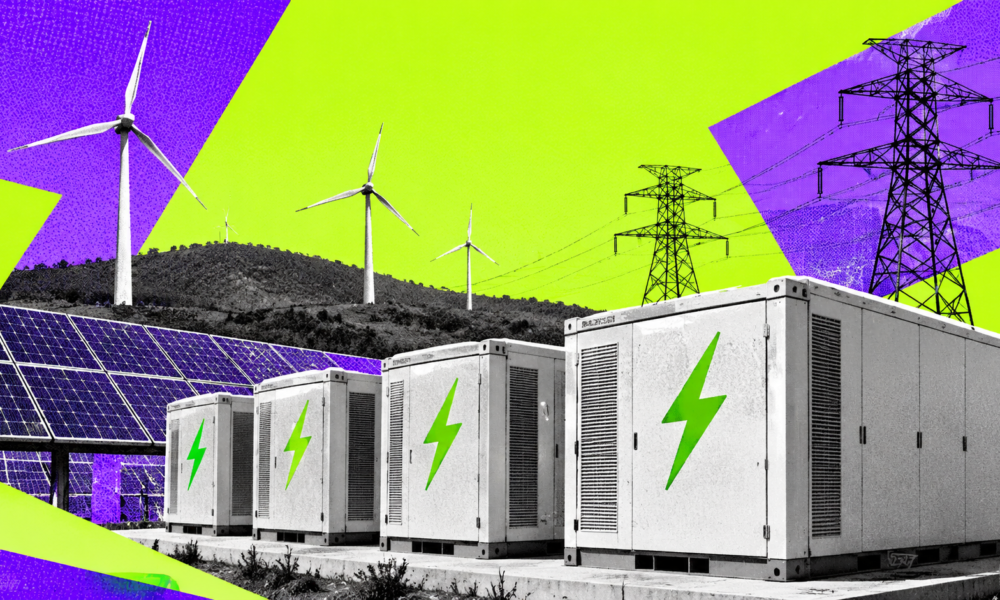
India is planning to expand its electricity transmission infrastructure through the third phase of the Green Energy Corridor programme. The scheme includes the development of 50 GWh of battery energy storage systems to support renewable electricity generation and improve the country’s power grid.
The Union Cabinet has approved Green Energy Corridor Phase III (GEC-III), with a total project outlay of ₹1,86,405 crore.
The programme aims to strengthen electricity transmission networks within states and Union Territories. It is designed to help transport up to 135 GW of renewable electricity across different regions.
The scheme includes ₹1,36,378 crore for developing intra-state transmission systems and ₹50,000 crore for battery energy storage infrastructure.
The government will also provide central financial support of ₹54,082 crore.
The programme is targeted for implementation by FY2032–33.
Intra-state transmission systems are networks that carry electricity from generating stations to substations and distribution networks within a state.
These systems are important because renewable energy projects are often located far from major electricity consumption centres.
For example, large solar and wind projects in Rajasthan and Gujarat need strong transmission networks to supply electricity to cities, industries and commercial centres in other locations.
Without sufficient transmission capacity, renewable electricity may not reach consumers efficiently. This can result in power congestion and reduced utilisation of renewable energy projects.
The Green Energy Corridor programme aims to address this challenge by improving transmission infrastructure and adding battery storage capacity.
Prime Minister of India
News in Numbers
- ₹1,86,405 crore: Total estimated project outlay.
- 135 GW: Renewable energy transmission capacity targeted.
- 50 GWh: Planned battery energy storage capacity.
- ₹50,000 crore: Allocation for battery storage under the scheme.
- ₹1,36,378 crore: Planned investment in intra-state transmission systems.
- ₹54,082 crore: Central financial support.
- 2032–33: Target implementation period.
Why Does It Matter?
Electricity generation and electricity distribution are two different parts of the power sector.
A solar plant may generate large amounts of electricity, but that electricity still needs to travel through transmission lines before reaching homes and factories.
Battery storage can also help manage electricity supply during periods of high demand or low renewable generation.
By combining stronger transmission infrastructure with storage facilities, India can improve its ability to manage renewable electricity.
This is particularly important as the country continues expanding solar and wind energy capacity.
Transmission infrastructure and battery storage are becoming connected investment opportunities.
Companies involved in transformers, cables, substations, batteries, power electronics and engineering services could benefit from the expansion of electricity networks.
This also creates opportunities for infrastructure developers and power transmission companies.
The Green Energy Corridor Phase III programme could improve electricity connectivity between renewable energy generation centres and major consumption regions.
It may also reduce transmission bottlenecks and support India’s long-term clean energy expansion.
Industrial facilities could benefit from better electricity infrastructure, while battery storage projects may create additional opportunities for domestic manufacturers.
However, the programme’s success will depend on construction progress, project approvals and coordination between central and state agencies.
The bigger picture: India’s clean energy transition requires both power generation and the infrastructure needed to transport and store that electricity.






No Comment! Be the first one.