








Hang Seng Index Falls as Global Market Risks Rise; India Bank Strike Adds to Business Disruptions
Hong Kong’s Hang Seng Index came under pressure on Thursday, while a nationwide bank strike in India is disrupting branch-level banking services. The two developments highlight growing uncertainty...


Hong Kong’s Hang Seng Index came under pressure on Thursday, while a nationwide bank strike in India is disrupting branch-level banking services. The two developments highlight growing uncertainty for financial markets and businesses.
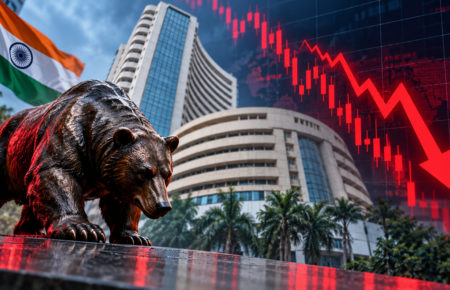
Hong Kong’s Hang Seng Index fell sharply on September 10 as investors reacted to concerns over rising oil prices, inflation and the possibility of higher interest rates in major economies.
The Hang Seng Index closed at 24,954, down 320 points, or 1.3%. The Hang Seng Tech Index also declined 2% to 4,330, while the Hang Seng China Enterprises Index fell 1.1% to 8,274.
The weakness came as higher oil prices and growing concerns about inflation affected investor sentiment across Asian markets. Oil prices have remained above $100 a barrel amid tensions in the Middle East, increasing concerns that higher energy costs could keep inflation elevated.
Why the Hang Seng Index Is Under Pressure
The latest fall reflects broader concerns in global financial markets.
Higher oil prices can increase costs for companies and consumers. If inflation remains high, central banks may have less room to cut interest rates and could even consider tighter monetary policy.
These concerns have affected stock markets across the region. Hong Kong stocks declined alongside markets in Japan, South Korea, Taiwan and mainland China.
Technology stocks were among the major areas under pressure. On September 10, Tencent, Alibaba and Xiaomi were among the heavily traded Hang Seng constituents, with their shares also recording declines.
India Bank Strike Adds to Business Disruption
While global markets are dealing with economic uncertainty, India’s banking sector is facing a different challenge.
Bank employee unions have called a nationwide strike on September 11, 2026, after discussions with the Indian Banks’ Association failed to resolve key issues.
The United Forum of Bank Unions is seeking a five-day banking week and changes to the performance-linked incentive system, among other pending demands.
The strike could affect branch-based services across the country. Customers may face delays with activities such as cash transactions, cheque clearing, passbook updates and other branch services.
Digital banking services, including UPI, internet banking, mobile banking and ATMs, are expected to continue operating, although customers should expect possible disruption to services that require physical branches.
A Busy Week for Financial Markets and Businesses
The Hang Seng decline and India’s bank strike come from different causes, but both show how financial systems can be affected by changing economic and operational conditions.
For investors, the Hang Seng’s movement reflects concerns about oil prices, inflation, interest rates and geopolitical risks.
For businesses and consumers in India, the bank strike highlights the importance of digital payment and banking systems when physical branches are unavailable.
The developments also underline the increasing importance of resilience in financial markets and banking operations. As global economic risks change rapidly, investors and businesses are having to adjust to both market volatility and operational disruptions.
What Happens Next?
Market attention will remain focused on oil prices, inflation data and expectations for central-bank policy. Any further increase in energy prices could put additional pressure on equities and other risk-sensitive assets.
In India, attention will remain on negotiations between bank unions and the banking industry. Further strike dates have also been announced, including September 28 to 30, with an indefinite strike proposed from October 26 if the issues remain unresolved.
For investors and businesses, the immediate lesson is clear: financial markets are being shaped not only by company performance, but also by global energy prices, monetary policy, geopolitical developments and disruptions within essential financial services.






No Comment! Be the first one.