








BSE to Enter Nifty 50 as Wipro Makes Way in Major Index Reshuffle
India’s benchmark Nifty 50 is set for a notable change this September, with BSE Ltd set to join the index and Wipro Ltd set to leave it. The change, announced by NSE Indices on 10 August, will take...

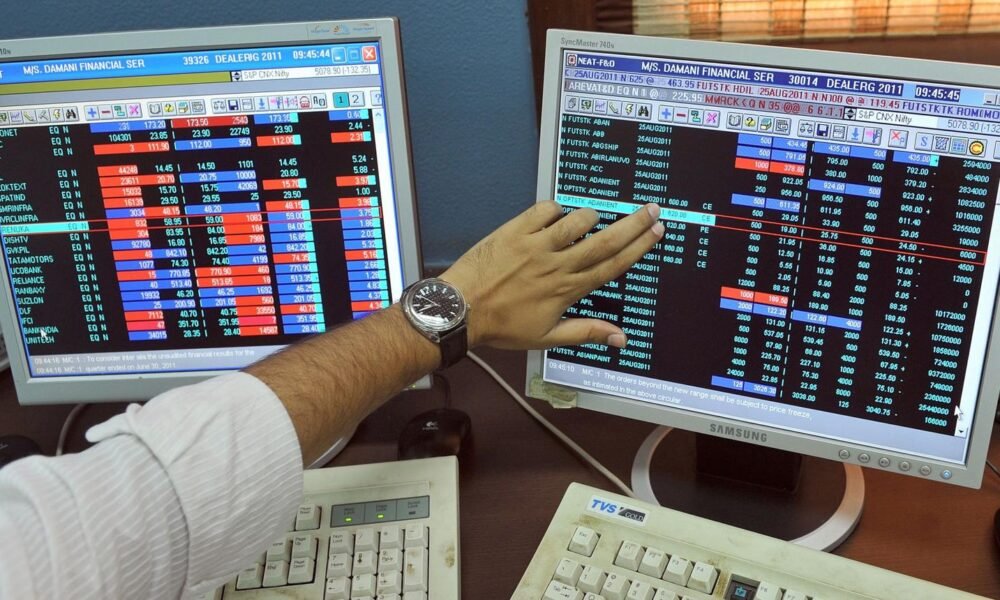
India’s benchmark Nifty 50 is set for a notable change this September, with BSE Ltd set to join the index and Wipro Ltd set to leave it.
The change, announced by NSE Indices on 10 August, will take effect from 30 September 2026. It comes as part of the regular six-month review of the Nifty 50, which is designed to keep the index aligned with the largest and most actively traded companies in the Indian market.
For BSE, the move marks a major step up in market visibility. The exchange operator qualified for inclusion because its six-month average free-float market capitalisation was at least 1.5 times that of Wipro, which was the smallest company in the Nifty 50 under the review criteria.
The development has already affected investor sentiment. BSE shares rose more than 4% after the announcement, taking their gain for 2026 to about 37%, according to Reuters. Wipro shares, meanwhile, fell around 1.1% and have declined about 29.5% over the past year.
The change matters because the Nifty 50 is not just a list of 50 large companies. It is one of the most closely followed benchmarks in India and is used by mutual funds, exchange-traded funds and other passive investment products to track the market.
Reuters reported that passive funds linked to the Nifty 50 managed around $97 billion as of 31 May. When a company enters or leaves the index, funds that closely follow its composition generally need to adjust their holdings. This can create additional buying demand for the new entrant and selling pressure on the company being removed.
That makes BSE’s inclusion important for its shareholders. The stock could receive greater attention from institutional investors and market participants as it becomes part of a benchmark followed by a large pool of investment money. However, index inclusion alone does not guarantee that a company’s share price will continue to rise.
For Wipro, the exit is another sign of how the Indian equity market is changing. The company has been one of the country’s best-known IT services firms for decades, but its shares have struggled in recent months. Investors have also become more cautious about traditional IT services companies as artificial intelligence changes the technology sector and raises questions about future business models, pricing and demand.
The shift also highlights the growing importance of India’s financial markets. BSE is itself a market infrastructure company, so its move into the Nifty 50 means an exchange operator will become part of the benchmark used to measure the wider Indian equity market.
For retail investors, the change does not mean they need to buy or sell either stock. Instead, it is a useful reminder that index changes can influence trading activity and fund flows even when the underlying businesses have not changed overnight.
The Nifty 50 reshuffle will be implemented after trading ends on 29 September, with BSE joining the index from 30 September. The move gives BSE a new position in India’s benchmark equity basket, while Wipro begins its next chapter outside it.







No Comment! Be the first one.