








Rupee slides past 93 against dollar, oil surge and outflows deepen concerns
The rupee weakened to a record low on Friday, breaching the 93 mark against the US dollar for the first time, as elevated crude oil prices and sustained foreign fund outflows combined to exert...

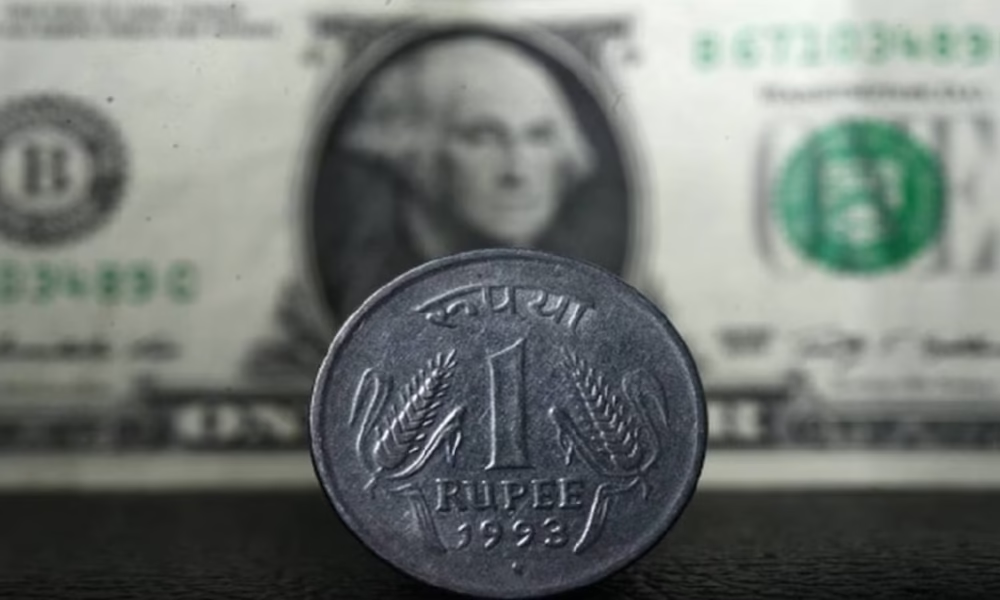
The rupee weakened to a record low on Friday, breaching the 93 mark against the US dollar for the first time, as elevated crude oil prices and sustained foreign fund outflows combined to exert pressure on the currency. The move reflects growing stress in the external sector at a time when global uncertainties remain high.
The decline comes amid a sharp rise in crude oil prices driven by tensions in the Middle East. For India, which imports a significant portion of its energy needs, higher oil prices translate directly into a wider current account deficit and increased demand for dollars. This has kept the rupee under persistent pressure in recent sessions.
Foreign portfolio investor outflows have added to the strain. Continuous selling in equity markets has led to a steady demand for dollars, further weakening the domestic currency. The scale of these outflows over recent weeks has coincided with the rupee’s slide, pointing to the role of capital movements in shaping currency trends.
A weaker rupee carries broader macroeconomic implications. It raises the cost of imports, particularly fuel, and risks feeding into domestic inflation at a time when price pressures are already a concern. This, in turn, may limit the room available for monetary policy easing and complicate the outlook for growth.
The Reserve Bank of India is expected to remain vigilant, with market participants anticipating calibrated interventions to smooth volatility rather than defend any specific level. While India’s foreign exchange reserves provide a buffer, the central bank’s approach is likely to be guided by the need to maintain orderly market conditions.
Analysts note that the trajectory of the rupee will depend largely on external developments, particularly crude oil prices and the direction of global capital flows. Any sustained easing in oil or stabilisation in foreign investment could help arrest the decline. Until then, the currency is likely to remain sensitive to shifts in global risk sentiment.








No Comment! Be the first one.