








Indian Diagnostics Startup Teams Up With Nvidia to Accelerate Cancer Detection
An Indian health-technology startup is turning to advanced computing from Nvidia in an effort to compress the time required to diagnose cancer, underscoring how artificial intelligence is rapidly...

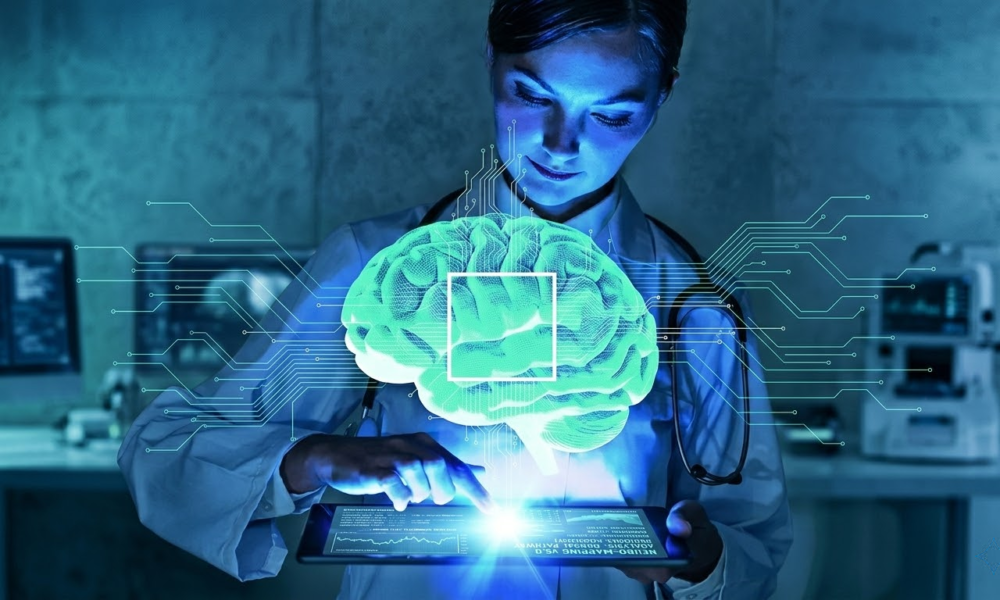
An Indian health-technology startup is turning to advanced computing from Nvidia in an effort to compress the time required to diagnose cancer, underscoring how artificial intelligence is rapidly reshaping medical testing and laboratory analysis.
Droplet Biosciences, a diagnostics startup focused on molecular testing, has entered into a collaboration with Nvidia to integrate the chipmaker’s high-performance computing capabilities into its diagnostic platform. The partnership is aimed at speeding up the analysis of tumour samples following surgical procedures, a stage in cancer care where time often determines the course and effectiveness of treatment.
The company is building a technology stack that combines molecular diagnostics with artificial intelligence models capable of analysing biological data at scale. By leveraging Nvidia’s AI infrastructure, the platform is expected to process complex genomic and pathology data significantly faster than conventional laboratory workflows.
In traditional diagnostic pipelines, tumour tissue collected during surgery is subjected to multiple stages of laboratory testing before clinicians can determine the appropriate therapy or next clinical step. These processes can take days. Droplet Biosciences is attempting to reduce that timeline by deploying automated data analysis systems that can interpret molecular signals more quickly and deliver actionable insights to oncologists.
The collaboration reflects a broader shift across the healthcare industry, where AI-driven diagnostics are increasingly being explored to improve both the speed and accuracy of disease detection. For technology companies such as Nvidia, the medical diagnostics sector represents a rapidly expanding market for computing infrastructure capable of handling massive biomedical datasets.
Startups working at the intersection of biotechnology and artificial intelligence have attracted growing investor interest in recent years, as advances in computing power allow companies to analyse genetic and clinical data at unprecedented scale. The integration of AI into diagnostic systems is also seen as a way to address bottlenecks in pathology and laboratory medicine, particularly in markets where demand for specialised testing continues to rise.
For Droplet Biosciences, the partnership provides access to the computational backbone required to scale its diagnostic platform, while also aligning the company with one of the world’s most influential suppliers of AI hardware. If successful, the collaboration could demonstrate how AI-enabled diagnostics might shorten clinical decision timelines and improve outcomes for patients undergoing cancer treatment.






No Comment! Be the first one.