








AI tutoring platform Arivihan in funding talks as investors revisit outcome-driven edtech
AI-led education startup Arivihan is in advanced discussions to raise $10–12 million in fresh funding, with venture firms including Accel and Prosus Ventures reported to be in the mix, according to...

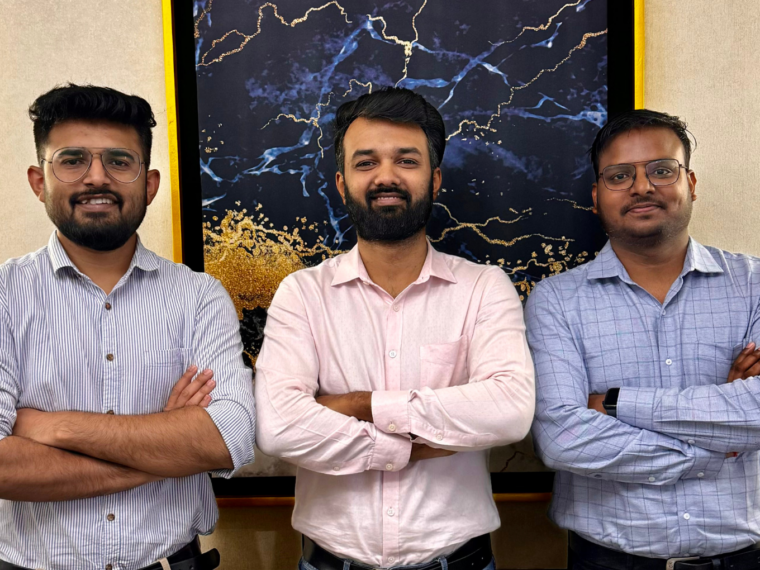
AI-led education startup Arivihan is in advanced discussions to raise $10–12 million in fresh funding, with venture firms including Accel and Prosus Ventures reported to be in the mix, according to sources aware of the negotiations. The proposed round reflects a cautious but notable return of investor interest in India’s edtech sector, this time centred on measurable learning outcomes and AI-native delivery models.
Founded with a focus on senior secondary and competitive examination preparation, Arivihan offers adaptive tutoring for CBSE Class 11–12 students and aspirants of medical entrance examinations such as NEET. Its platform uses machine learning to diagnose learning gaps, personalise revision pathways and simulate exam conditions, positioning itself as a supplemental learning layer rather than a replacement for classroom instruction.
The company operates in a segment that has undergone significant recalibration since the pandemic-era edtech boom. Investors burned by high customer acquisition costs and weak retention metrics have shifted focus toward sustainable unit economics, verifiable performance improvement and hybrid distribution strategies. In this environment, AI-enabled tutoring platforms that demonstrate score improvement and retention efficiency are gaining renewed attention.
Arivihan’s model emphasises data-driven practice, predictive performance analytics and continuous assessment. By mapping student proficiency at a granular level, the platform generates customised question sets and revision schedules, aiming to reduce rote learning while improving exam readiness. The company claims improved engagement and completion rates compared with traditional test-prep modules, though independent validation will be critical as the category matures.
The fresh capital, if secured, is expected to be deployed toward product development, AI model refinement, content expansion and selective marketing in high-density exam-prep markets. Strengthening distribution partnerships with schools and coaching networks may also form part of the growth strategy, reflecting a broader industry shift toward blended learning ecosystems.
India’s test-preparation market remains one of the largest globally, driven by intense competition for limited seats in professional courses and government institutions. However, affordability sensitivities and regional diversity demand pricing flexibility and multilingual support, areas where AI-driven content generation could provide operating leverage.
The renewed funding interest in AI-first edtech suggests a structural shift rather than a cyclical rebound. Investors are increasingly favouring platforms that combine pedagogy, data science and outcome accountability, as opposed to scale-at-all-costs growth models that characterised the previous funding cycle.
For the sector at large, Arivihan’s fundraise discussions highlight a new investment thesis: technology that improves learning efficiency, integrates with existing education infrastructure and delivers measurable performance gains may define the next phase of edtech growth in India.







No Comment! Be the first one.