






India’s F&O Trading Problem: Why Most Individual Traders Lose Money
India’s stock market has attracted millions of individual investors in recent years. Many people are entering the market hoping to earn money through short-term trading. However, one part of...

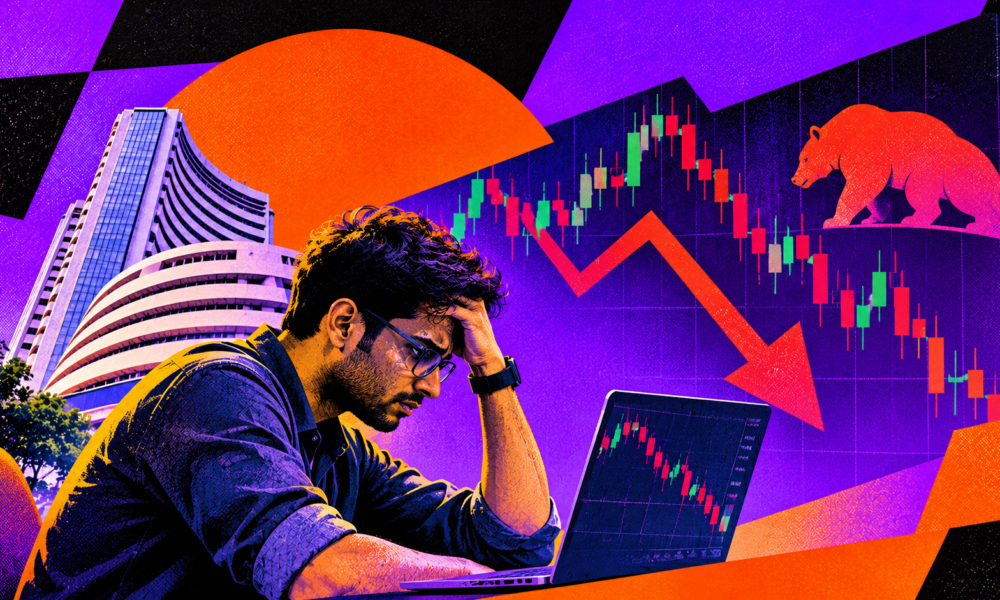
India’s stock market has attracted millions of individual investors in recent years. Many people are entering the market hoping to earn money through short-term trading.
However, one part of the market is proving particularly difficult for retail investors: Futures and Options (F&O).
F&O trading allows investors to take positions based on the future price of stocks or market indices. These products can offer opportunities, but they also carry significant risks.
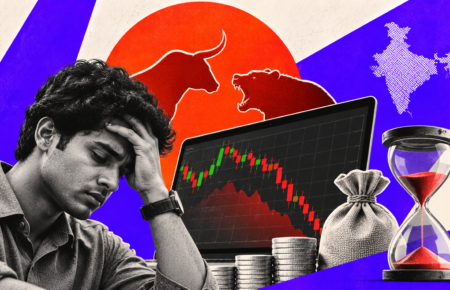
A Securities and Exchange Board of India (SEBI) study published in August 2026 found that 87.7% of individual traders in the equity derivatives segment lost money during FY2025-26.
Individual traders recorded gross trading losses of approximately ₹72,000 crore during the year.
The findings raise an important question: Why are so many people losing money in India’s derivatives market?
What Is Futures and Options Trading?
Futures and Options are financial contracts linked to the price of an underlying asset, such as a stock or market index.
A futures contract creates an obligation to buy or sell an asset at an agreed price on a future date, subject to the contract’s terms.
An options contract gives the buyer the right, but not the obligation, to buy or sell an underlying asset under specified conditions.
Traders use these contracts to speculate on market movements or manage investment risks.
However, derivatives can be complicated. Prices are affected by several factors, including market direction, volatility, time and contract expiry.
Why Are Individual Traders Losing Money?
One major reason is the difficulty of predicting short-term market movements.
Stock prices can change quickly because of company announcements, economic data, global developments and unexpected events.
F&O trading can also involve leverage, allowing traders to control a relatively large position with a smaller initial amount.
While this can increase potential gains, it can also increase losses.
Another challenge is frequent trading.
Some individuals enter and exit positions repeatedly, hoping to make quick profits. Transaction charges, taxes and other costs can reduce their overall returns.
Emotional decisions, poor risk management and trading without sufficient knowledge can make the situation worse.
Options Trading Is a Major Source of Risk
SEBI’s August 2026 study found that options trading accounted for approximately 92% of aggregate individual trader losses in FY2025-26.
Options can be particularly difficult because their prices depend on more than the direction of the underlying market.
Factors such as implied volatility, time to expiry and changes in demand also influence option premiums.
For example, an investor may correctly predict that a stock market index will rise but still lose money if the option’s value falls because of other pricing factors.
This is why understanding market direction alone is not enough.
Has SEBI Taken Steps to Reduce Trading Risks?
SEBI has introduced several measures to address excessive speculation in the derivatives market.
These include changes to index derivative contract sizes, restrictions on weekly expiries and requirements for collecting option premiums upfront.
The regulator has also been examining trading patterns and investor behaviour.
The objective is to improve market stability and reduce risks associated with highly speculative trading.
However, regulations cannot eliminate investment risk completely.
What Should New Investors Understand?
People entering the stock market should understand the difference between investing and trading.
Long-term investing generally focuses on business performance, financial strength and future growth.
Short-term derivatives trading involves predicting price movements over much shorter periods and can require advanced knowledge.
Before entering F&O, individuals should understand contract specifications, margin requirements, expiry dates and the possibility of losing their entire investment in an options purchase.
They should never trade using borrowed money or rely on unverified tips and guaranteed-profit claims.
What Does This Mean for India’s Stock Market?
The growing participation of individual investors is an important development for India’s financial markets.
However, participation should be supported by financial education and responsible investing.
SEBI’s findings show that access to trading platforms does not automatically translate into trading success.
For individual investors, understanding risk may be more important than chasing quick profits.
The future of India’s retail investment market will depend not only on how many people enter the market, but also on how well they understand the products they use.
FAQs
- What is F&O trading?
Futures and Options are financial contracts that allow traders to take positions based on the future prices of stocks or market indices.
- How many individual F&O traders lost money in FY2025-26?
According to SEBI’s August 2026 study, 87.7% of individual traders incurred losses.
- Why is options trading risky?
Options prices depend on market direction, volatility, time to expiry and other factors. Their value can change rapidly.
- Can beginners trade in F&O?
Beginners should understand the risks, contract structure and potential losses before considering derivatives trading.
- Can F&O traders lose more than their initial investment?
Yes. Depending on the contract and position, certain derivatives strategies can expose traders to losses greater than their initial margin or investment.



No Comment! Be the first one.