






Harley-Davidson Q3 Results: Global Motorcycle Sales Grow 5% as Iconic Brand Pushes Recovery Strategy
Harley-Davidson is attempting to strengthen its global motorcycle business through a combination of premium brand positioning, inventory management and a renewed focus on customer demand. The...

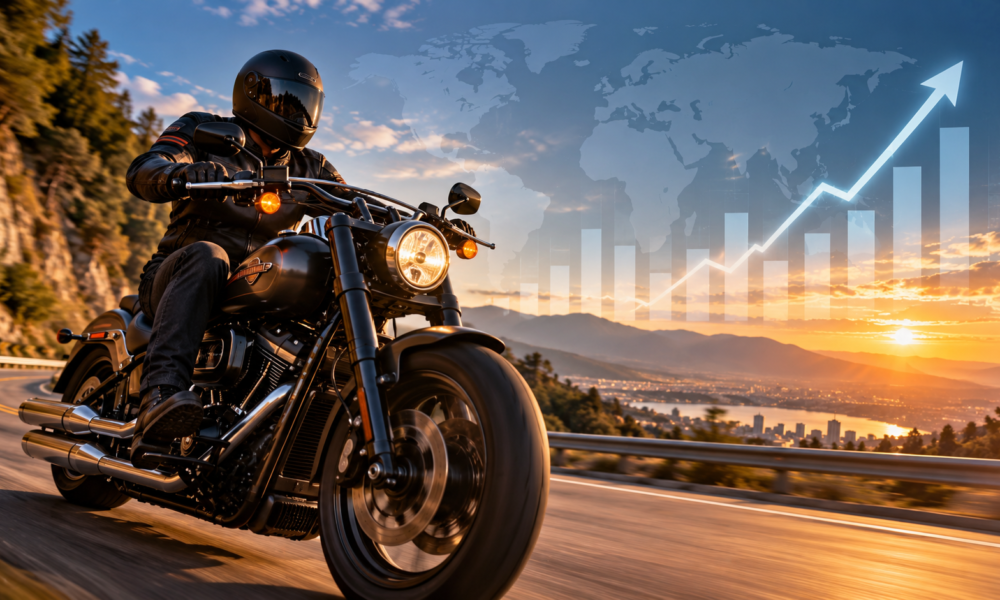
Harley-Davidson is attempting to strengthen its global motorcycle business through a combination of premium brand positioning, inventory management and a renewed focus on customer demand.
The American motorcycle manufacturer reported a 5% year-on-year increase in global retail motorcycle sales during Q3 2026, with North America and Asia-Pacific contributing to growth.
North American retail sales increased 9%, marking the fourth consecutive quarter of year-on-year growth in the company’s home market. Meanwhile, global dealer inventory declined 26% compared with the same quarter last year.
The latest results indicate that the company is focusing on improving the balance between motorcycle production, dealer inventory and actual customer demand.
Harley-Davidson Investor Relations
What do the financial results reveal?
Harley-Davidson’s motorcycle division, Harley-Davidson Motor Company (HDMC), generated revenue of $964 million during the quarter, down 10% year-on-year.
Despite lower revenue, its gross margin improved by 173 basis points to 28.1%.
Operating expenses also declined 1% to $227 million. However, operating income fell 18% to $44 million, while operating margin declined to 4.6% from 5% in the year-ago quarter.
The company’s consolidated net income attributable to Harley-Davidson declined to $43 million from $377 million in Q3 2025. This comparison was significantly affected by the previous year’s financial benefit from the sale of securitisation interests and retail finance receivables through Harley-Davidson Financial Services (HDFS).
Harley-Davidson Investor Relations
Why is inventory management important?
One of the most important developments in the company’s latest results is its reduction in dealer inventory.
Harley-Davidson reported that global motorcycle shipments declined 8% to 33,616 units during the quarter. This was part of its Back to the Bricks strategy, which aims to align wholesale shipments more closely with retail demand.
For motorcycle manufacturers, excessive dealer inventory can create financial pressure. Unsold vehicles occupy working capital, potentially require discounts and reduce the ability of dealers to order new models.
By reducing inventory, Harley-Davidson is attempting to improve dealer health and protect the value of its products.
The company also reported that 91% of North American dealer inventory consisted of current model-year 2026 motorcycles, compared with 86% in the previous year’s quarter.
The role of brand equity
Harley-Davidson offers an interesting case study in brand equity.
Unlike manufacturers competing primarily through affordability, the company has historically built its identity around motorcycle culture, distinctive design, customisation and rider communities.
This emotional connection allows the brand to occupy a premium position in the motorcycle market.
Its strategy demonstrates how a strong brand identity can become a business asset, supporting customer loyalty and differentiation.
However, brand equity cannot eliminate commercial risks. Premium motorcycle manufacturers remain exposed to changing consumer spending, financing costs, demographic shifts and competition from other premium motorcycle brands.
What is the company’s growth strategy?
Harley-Davidson raised its full-year 2026 financial guidance for its motorcycle and financial services businesses for the second time this year.
It expects global motorcycle retail sales and wholesale shipments to reach between 135,500 and 139,000 units.
The company’s strategy will depend on sustaining demand, maintaining dealer profitability and improving operational performance.
Its Asia-Pacific performance will also be important as it looks beyond its traditional North American market.
The bigger business takeaway
Harley-Davidson’s latest results demonstrate that premium brands need more than recognition and heritage to remain commercially successful.
Inventory discipline, product relevance, customer loyalty and profitability must work together to sustain a premium business model.
This article is a corporate strategy and earnings explainer, not an investment recommendation.






No Comment! Be the first one.