






SEBI Reintroduces Open Market Share Buybacks Through Stock Exchanges from August 1
The Securities and Exchange Board of India (SEBI) has approved the reintroduction of open market share buybacks through stock exchanges, providing listed companies with greater flexibility to return...

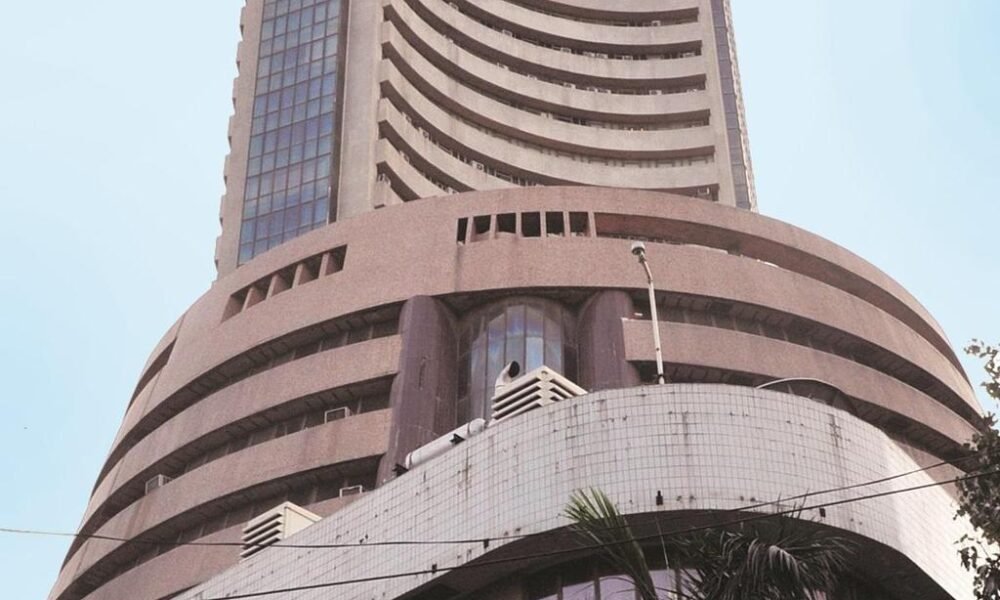
The Securities and Exchange Board of India (SEBI) has approved the reintroduction of open market share buybacks through stock exchanges, providing listed companies with greater flexibility to return capital to shareholders. The revised framework will come into effect from August 1, 2026, marking a significant regulatory change for India’s capital markets.
Under the new framework, companies can once again repurchase their own shares directly through stock exchanges, alongside the existing tender offer route. SEBI has introduced safeguards to ensure fairness and transparency, including a maximum duration of 66 working days, promoter share lock-in during the buyback period and requirements to maintain the minimum public shareholding norms.
Market experts believe the move will make buybacks faster, more cost-effective and operationally efficient. Open market buybacks allow companies to purchase shares gradually instead of completing the entire transaction through a tender offer, providing greater flexibility in capital management while helping improve shareholder value.
The decision follows changes in India’s buyback taxation framework introduced earlier this year, which addressed concerns regarding unequal tax treatment between shareholders participating in buybacks and those selling shares in the open market. Analysts believe the revised tax structure has paved the way for SEBI to restore the open market route.
Corporate finance specialists note that buybacks are commonly used by companies with surplus cash to optimize capital structure, improve earnings per share (EPS) and signal confidence in long-term business prospects. Investors often view well-planned buybacks as a positive indicator of management’s outlook on the company’s valuation.
The new framework is also expected to improve liquidity and provide companies with an additional tool for efficient capital allocation. Listed firms across sectors may increasingly consider buybacks as part of their broader shareholder return strategies alongside dividends.
Industry participants have welcomed the reform, stating that India’s capital markets are gradually aligning with international best practices while maintaining strong investor protection measures. The updated regulations are expected to benefit both issuers and long-term investors by simplifying execution without compromising market transparency.
SEBI’s decision reflects its continued focus on modernizing market infrastructure and strengthening the regulatory environment. As India’s equity markets continue to attract domestic and foreign investment, reforms aimed at improving efficiency and flexibility are expected to further enhance investor confidence and market depth.







No Comment! Be the first one.