





Rupee Rebounds on RBI Curbs, But Volatility Keeps Markets on Edge
The Indian rupee staged a sharp recovery after the Reserve Bank of India moved to tighten rules in the foreign exchange market, offering temporary relief after a period of sustained pressure. The...

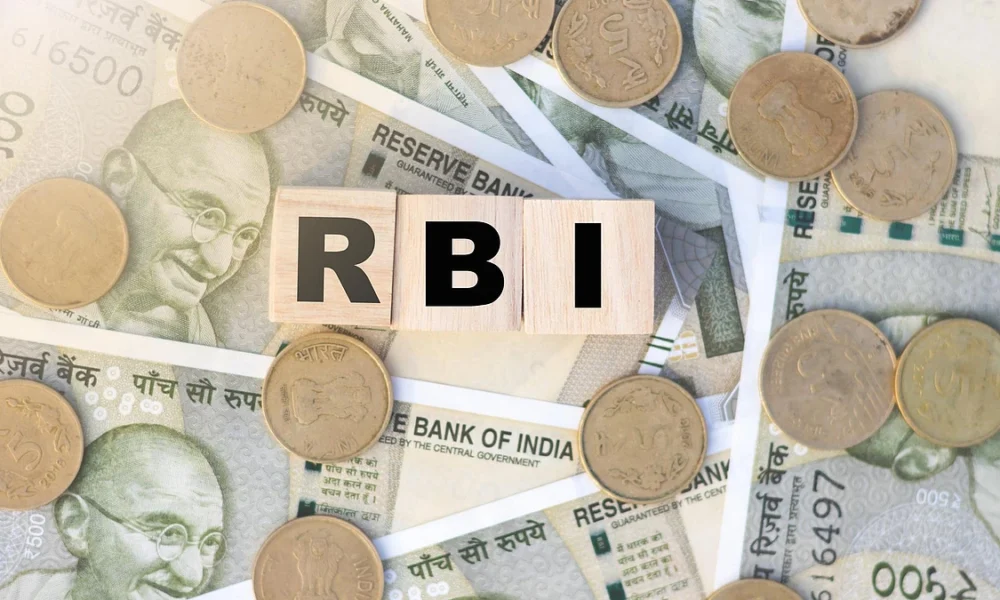
The Indian rupee staged a sharp recovery after the Reserve Bank of India moved to tighten rules in the foreign exchange market, offering temporary relief after a period of sustained pressure. The central bank’s decision to cap banks’ open positions in the currency market has curtailed speculative trades, helping stabilise the rupee in volatile conditions.
The intervention comes at a time when the currency had been weakening amid strong dollar demand, rising crude oil prices and persistent foreign portfolio outflows. The slide in the rupee had begun to feed into broader market sentiment, raising concerns over imported inflation and external sector stability.
By restricting excessive positioning, the RBI has signalled a clear intent to contain disorderly movements rather than defend any specific level. The immediate impact has been a short-covering rally in the rupee, with traders adjusting positions in response to tighter regulatory oversight.
However, the underlying pressures remain intact. Elevated oil prices continue to strain India’s trade balance, while global risk aversion has led to capital moving away from emerging markets. These factors suggest that currency stability may remain fragile despite the central bank’s measures.
For equity markets, the rupee’s trajectory holds particular significance. A stable currency can help moderate foreign investor outflows and improve risk sentiment, while sharp swings tend to exacerbate volatility in stocks. Export-oriented sectors such as information technology may find some support from a weaker currency, but broader market confidence hinges on reduced fluctuations.
The RBI’s actions have bought time, but not certainty. Much will depend on external developments, especially in commodity markets and geopolitics. Until then, the rupee is likely to trade with a cautious bias, mirroring the uncertainty that continues to define the wider financial landscape.









No Comment! Be the first one.