








Reliance’s green ammonia bet signals shift from oil to future fuels
Reliance Industries has moved to anchor its next phase of growth in clean energy, signing a long-term agreement to supply green ammonia to South Korea’s Samsung C&T in a deal valued at over $3...

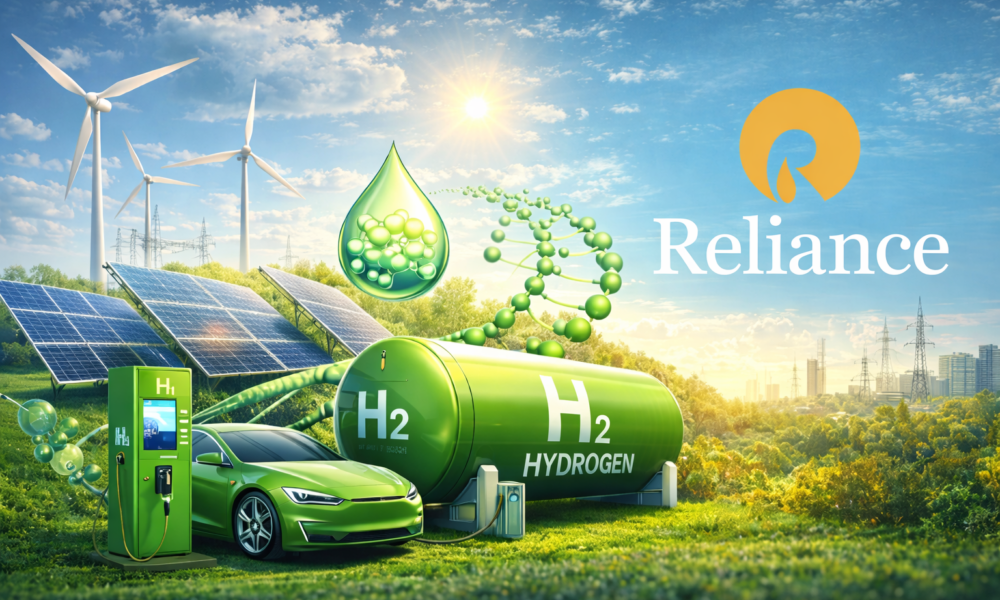
Reliance Industries has moved to anchor its next phase of growth in clean energy, signing a long-term agreement to supply green ammonia to South Korea’s Samsung C&T in a deal valued at over $3 billion. The contract, spread over 15 years and slated to begin towards the end of the decade, marks one of the largest such arrangements globally and brings into sharper focus the company’s transition strategy.
At one level, the agreement offers visibility to a business that is still in its investment phase. Long-term offtake contracts are critical in sectors such as green hydrogen and its derivatives, where upfront capital costs are high and demand is still taking shape. By securing a committed buyer, Reliance reduces some of that uncertainty and signals to investors that its new energy bets are moving towards commercial viability.
More broadly, the deal reflects a structural shift in global energy markets. Countries such as South Korea and Japan are seeking low-carbon fuels to decarbonise industry and power generation, and green ammonia is emerging as a viable carrier for hydrogen. The agreement places Reliance within this evolving supply chain, positioning India as a potential exporter rather than just a consumer of clean energy.
The company’s strategy rests on building an integrated ecosystem spanning renewable power, hydrogen production, storage and downstream fuels. This vertical approach, supported by domestic manufacturing of key technologies, aligns with the policy push under India’s green hydrogen mission and the broader emphasis on self-reliance.
For markets, however, the immediate takeaway is more measured. While the announcement reinforces the long-term narrative around Reliance’s energy transition, the financial benefits will accrue over time, given that supplies are expected to begin only later in the decade. In the near term, execution, capital allocation and global price dynamics will determine how quickly these ambitions translate into earnings.
Still, the direction is clear. As traditional oil-to-chemicals businesses mature, Reliance is seeking to build a parallel engine of growth. The green ammonia deal suggests that this transition is no longer notional, but is beginning to take contractual shape.









No Comment! Be the first one.