







Growth Upgraded, Rates Unchanged: RBI Charts Measured Policy Path: RBI Governor
India’s central bank has expressed confidence in the country’s economic direction over the medium term, pointing to steady growth, contained inflation, and a stable external position as key pillars...

India’s central bank has expressed confidence in the country’s economic direction over the medium term, pointing to steady growth, contained inflation, and a stable external position as key pillars supporting the outlook. In the latest monetary policy review, the Reserve Bank of India maintained the policy repo rate at 5.25 per cent, choosing continuity over change as it assessed evolving domestic and global conditions.
The decision was taken by the six-member Monetary Policy Committee, which voted to keep the policy stance neutral. This approach reflects a balance between nurturing growth and guarding against any resurgence of inflationary pressures. The central bank signaled that while the current environment remains supportive, it will stay alert to emerging risks.
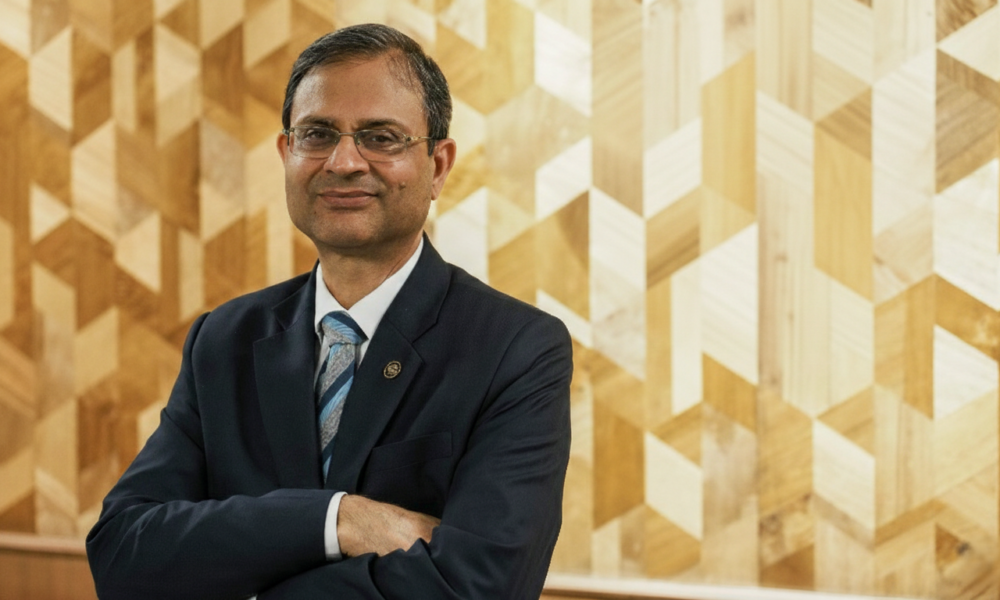
Governor Sanjay Malhotra indicated that India’s medium-term macroeconomic fundamentals remain on firm ground. He highlighted strong domestic demand, improving investment trends, and a resilient services sector as factors contributing to economic momentum. According to the central bank’s revised projections, real GDP growth for FY2026 is now estimated at 7.4 per cent, slightly higher than earlier forecasts. Growth estimates for the initial quarters of FY2027 have also been nudged upward, reflecting improving confidence in sustained expansion.
Inflation, which had been a central concern in recent years, has shown signs of stability. The central bank expects consumer price inflation to average close to 2.1 per cent for the year, remaining well within the tolerance band. Food prices, which often introduce volatility, have moderated due to improved supply conditions. Core inflation has also remained steady, giving policymakers greater room to focus on supporting growth.
The central bank’s leadership stressed that while inflation currently appears manageable, vigilance remains essential. Global commodity prices, geopolitical tensions, and weather-related disruptions could alter the trajectory. As a result, the neutral stance provides flexibility to respond if necessary.
India’s external sector performance has also played a role in shaping the positive outlook. The country’s foreign exchange reserves remain comfortable, offering a buffer against global financial volatility. Export prospects are expected to benefit from ongoing trade engagements and market diversification efforts. Recent progress in negotiations with major partners such as the European Union and the United States is seen as supportive of trade expansion and investment flows.
Capital inflows have shown renewed strength after a period of caution from global investors. Improved risk appetite and stable macroeconomic indicators have helped attract foreign portfolio and direct investment. Policymakers view these trends as validation of structural reforms undertaken in recent years.
On the domestic front, credit growth has remained healthy, particularly in retail and services segments. Bank balance sheets have improved, non-performing assets have declined, and capital buffers remain adequate. These conditions provide a conducive environment for lending and private sector expansion. The central bank noted that transmission of earlier rate changes is still playing out across the financial system, reinforcing the case for holding rates steady at this juncture.
Government capital expenditure continues to support infrastructure development, with projects spanning transportation, logistics, and urban development. Public spending has complemented private investment, helping to create multiplier effects across sectors. Analysts believe this coordinated momentum between fiscal and monetary policy has strengthened economic resilience.
Rural demand, which had shown signs of softness in prior quarters, is gradually improving. Higher agricultural output and targeted support measures have contributed to a recovery in consumption. Urban demand remains steady, supported by employment growth and rising incomes in key industries.
The global backdrop, while improving in certain regions, remains uneven. Slowing growth in some advanced economies and uncertainty in financial markets pose potential risks. The central bank acknowledged these factors but emphasized that India’s domestic drivers offer a cushion against external shocks.
Financial markets responded calmly to the policy decision. Bond yields remained stable, and equity markets showed measured optimism. Market participants interpreted the central bank’s message as one of confidence without complacency.
Looking ahead, policymakers indicated that future rate decisions will depend on incoming data. The trajectory of inflation, global commodity trends, monsoon outcomes, and capital flows will all influence the policy path. The neutral stance allows room for adjustment in either direction, depending on how conditions evolve.
Economists note that maintaining credibility in inflation management while encouraging growth remains a delicate task. With inflation below target and growth prospects strengthening, the central bank has chosen to prioritize stability and predictability. This approach aims to anchor expectations and provide clarity to businesses and investors.
Structural reforms, including improvements in digital payments, manufacturing incentives, and supply chain upgrades, are also contributing to the broader outlook. These measures are expected to enhance productivity and support medium-term expansion. Policymakers believe that sustained progress in these areas will help maintain India’s growth trajectory even amid global uncertainty.
The emphasis on medium-term fundamentals reflects a shift from short-term volatility to longer-term planning. Stable inflation, prudent fiscal management, and a diversified economic base form the foundation of this strategy. The central bank’s communication signals confidence that these elements remain intact.
As India navigates a complex global environment, the monetary authority’s decision to hold rates steady underscores a measured approach. Rather than reacting to transient fluctuations, policymakers appear focused on sustaining momentum while preserving macroeconomic stability.
In the months ahead, observers will closely track inflation data, global developments, and domestic demand indicators. For now, the central bank’s assessment suggests that India’s economic footing remains solid, with growth prospects supported by stable prices and steady financial conditions.
The message from the latest policy review is clear: confidence in the medium-term outlook remains strong, but flexibility will guide future action. With growth forecasts revised upward and inflation under control, the central bank has chosen continuity as the best course for the present phase of economic recovery and expansion.









No Comment! Be the first one.