





India Doubles Down on Chips, Textiles and Rare Earth Self-Reliance- Budget 2026–27
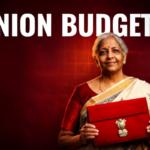
In an assertive departure from incrementalism, Finance Minister Nirmala Sitharaman’s Union Budget for 2026–27 laid out a sweeping industrial agenda aimed at re-anchoring India’s manufacturing base in...

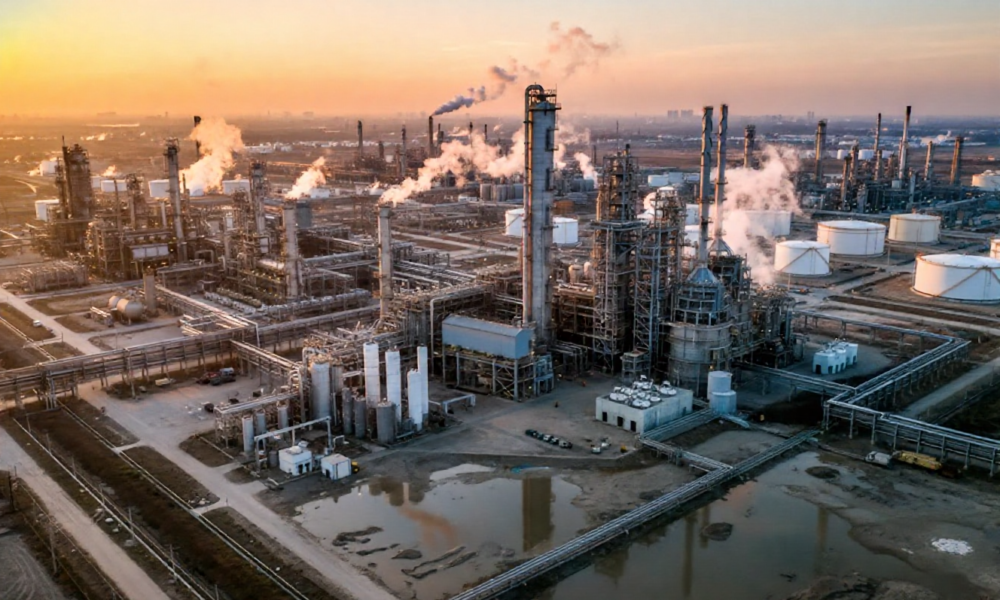
In an assertive departure from incrementalism, Finance Minister Nirmala Sitharaman’s Union Budget for 2026–27 laid out a sweeping industrial agenda aimed at re-anchoring India’s manufacturing base in the age of geopolitics and supply-chain fragility. Beyond headline tax and fiscal figures, the Budget places semiconductors, electronics, textiles and rare earths at the core of India’s next growth chapter, signalling a clear pivot from consumption-led stimulus to strategic production capacity building.
At the centre is India Semiconductor Mission (ISM) 2.0, a reinvigorated initiative that will extend beyond attracting fabrication plants to foster indigenous design, materials, equipment and full-stack IP development. The outlay for the Electronics Components Manufacturing Scheme has been nearly doubled to ₹40,000 crore, underpinning efforts to reduce import dependence and cultivate a domestic supply ecosystem.
Recognising the strategic importance of critical minerals, the Budget also proposes dedicated Rare Earth Corridors in Odisha, Kerala, Andhra Pradesh and Tamil Nadu to integrate mining, processing, research and manufacturing, a move aimed at cutting reliance on external suppliers for essential inputs.
The textiles sector, long seen as a jobs- and export-intensive engine, will see integrated value-chain support through mega parks and cluster strengthening, dovetailing with broader initiatives in chemical and capital-goods manufacturing to deepen industrial complexity.
Taken together, these measures articulate a government resolve to embed India more deeply into global value chains and mitigate future external shocks, a structural recalibration that extends well beyond the fiscal numbers.




No Comment! Be the first one.